|
1
|
|
|
2
|
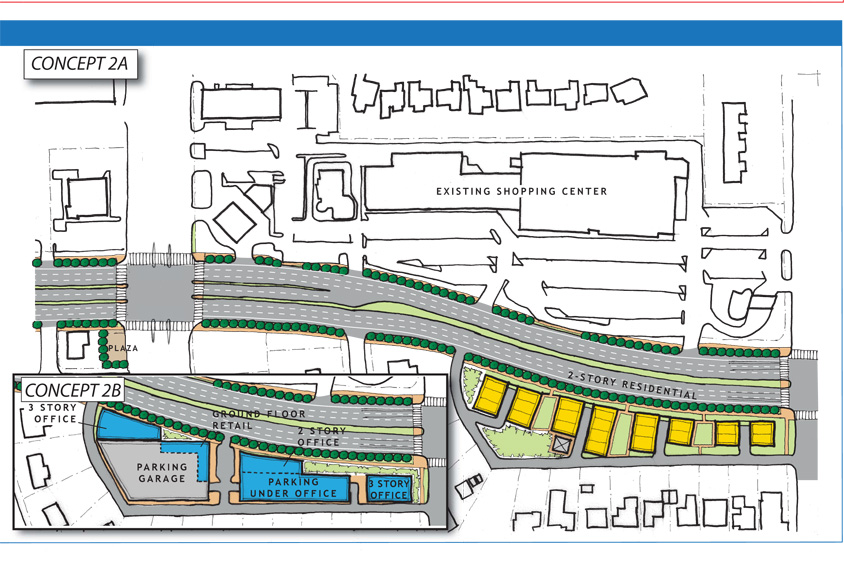
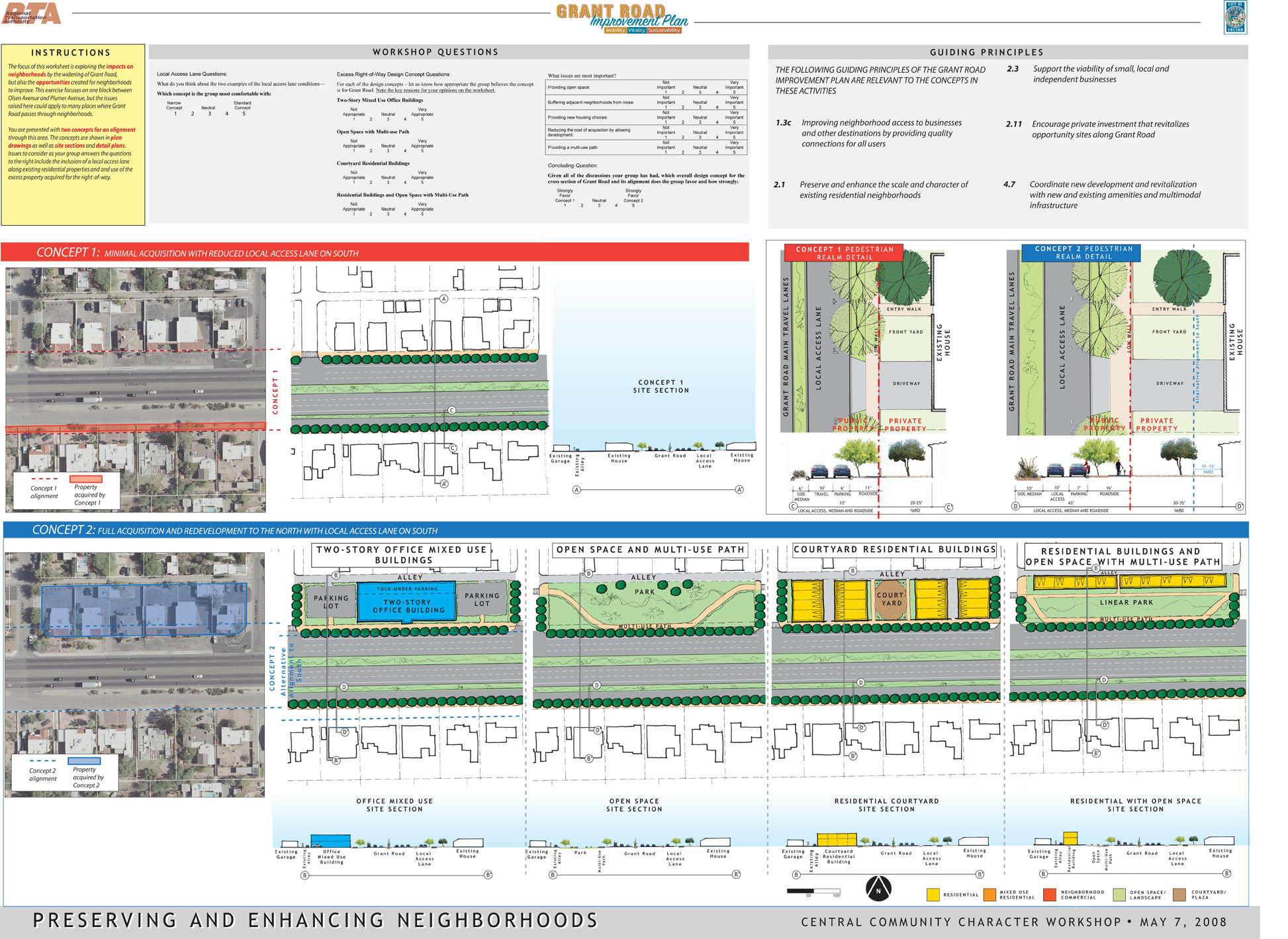
- Excess right-of-way & redevelopment
|
|
3
|
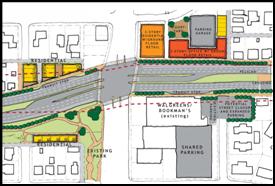
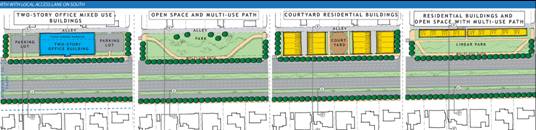
- Land Use
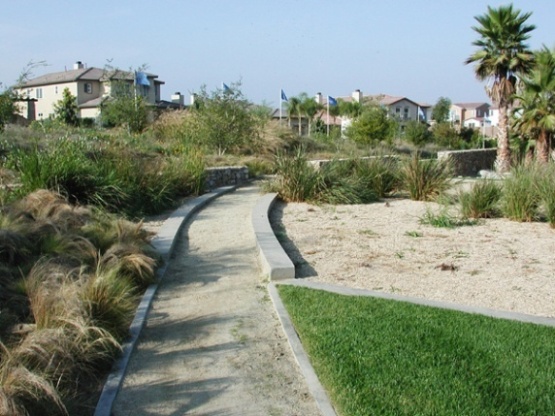
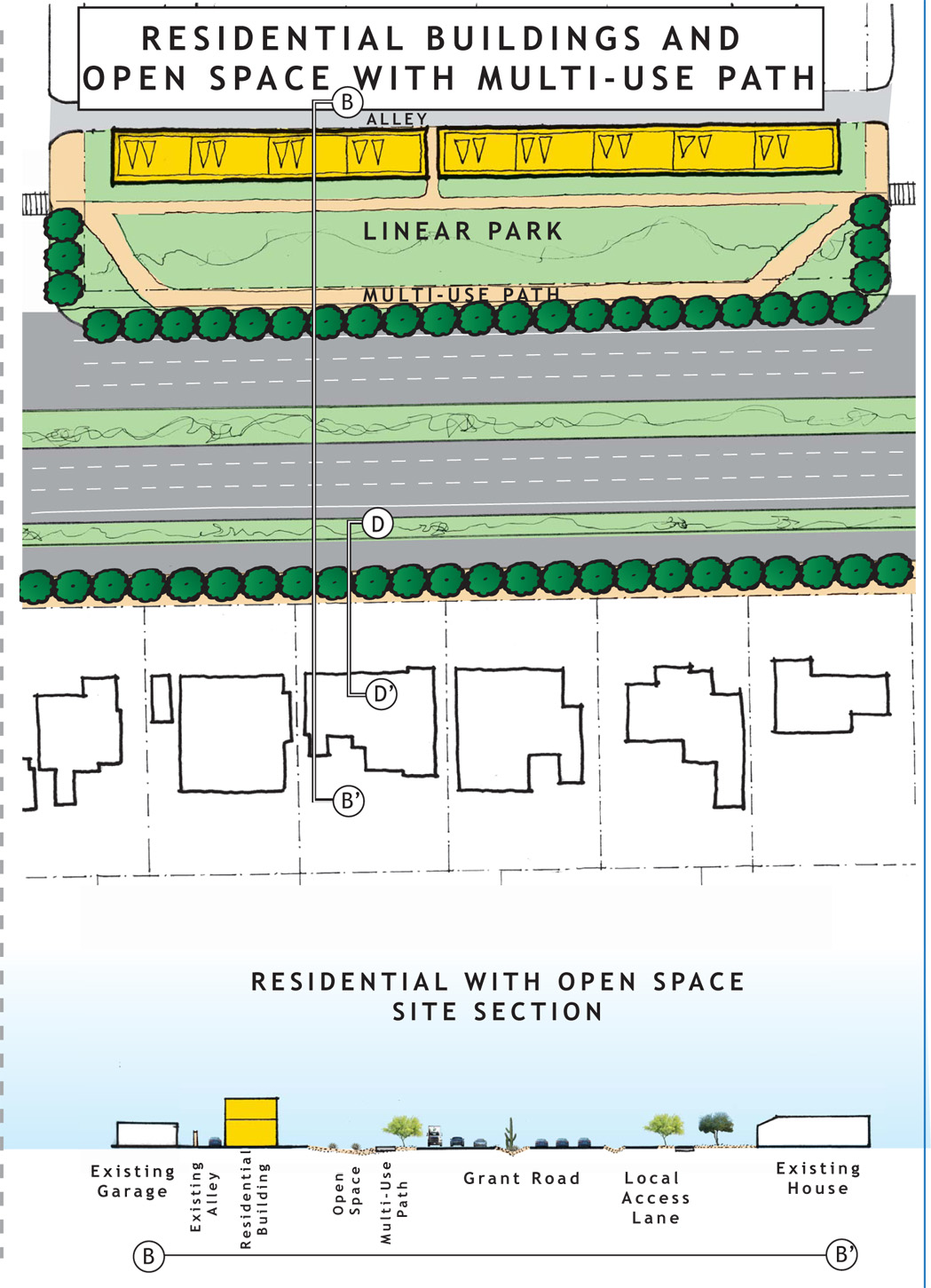
- Open Space
- Development
- Building Height
- Buffering
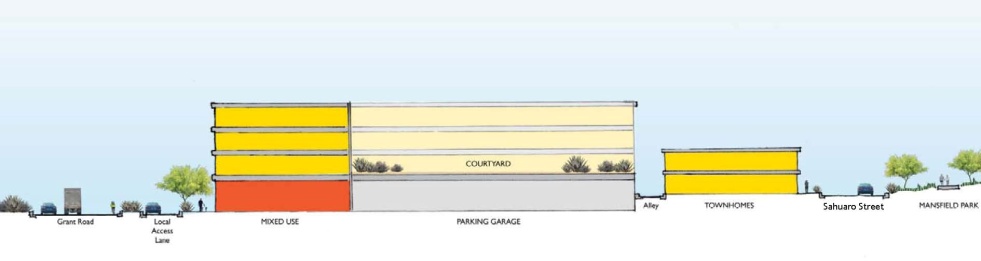
- New Commercial Frontage
|
|
4
|
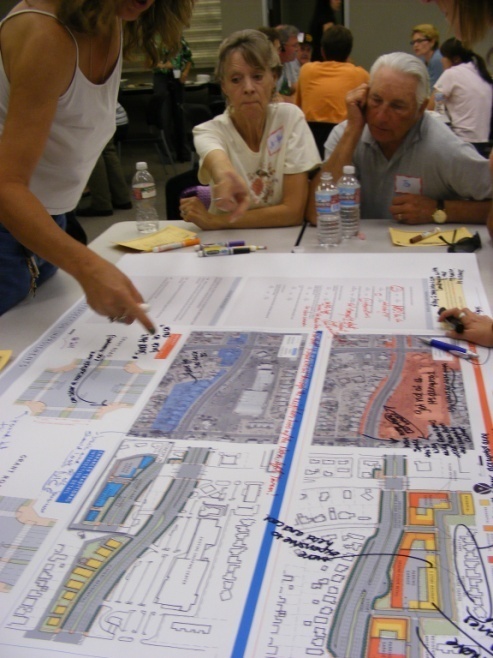
- Broad Interest- support for open space as well as different types of
development
|
|
5
|
- Liked pairing with development
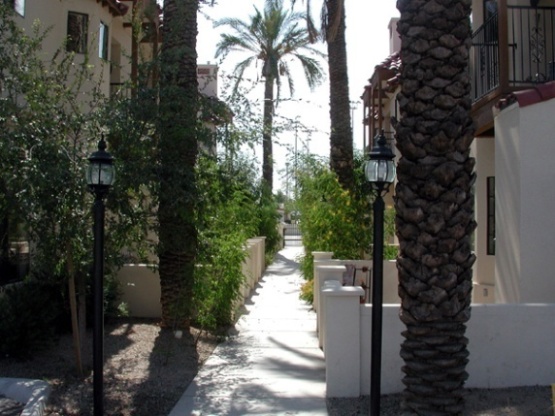
- Homes fronting onto open space
- Concern about maintenance and safety
- Support for multi-use path by a vocal minority
|
|
6
|
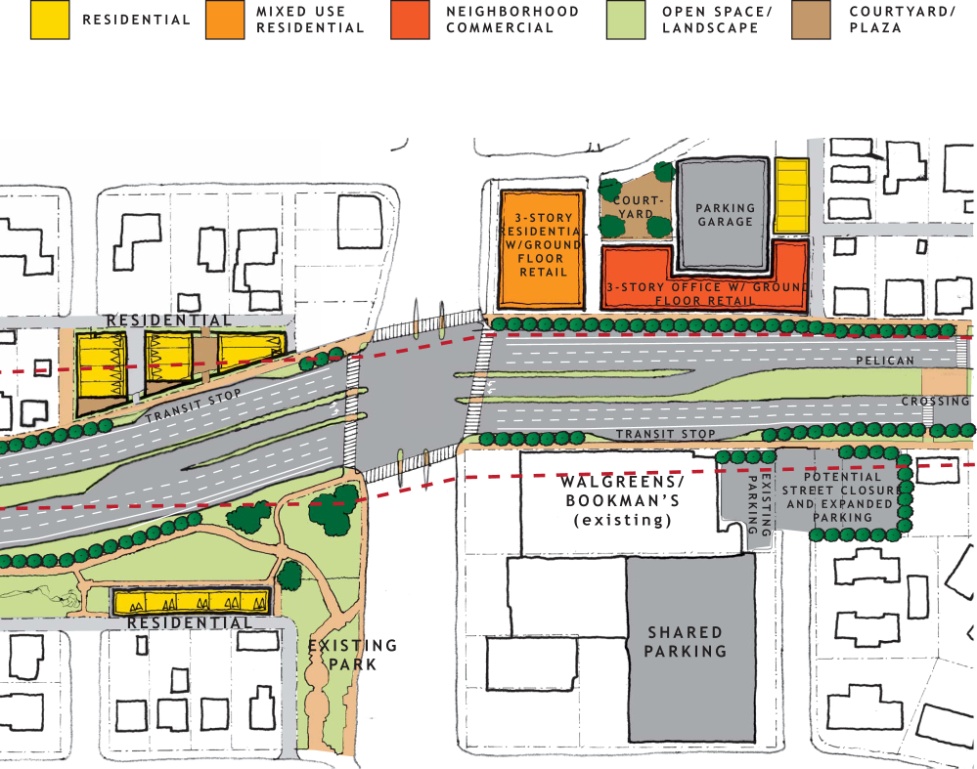
- Supported as much as open space
- Support for residential and office
- ‘Housing choice’ least popular as priority
- Concern with:
- Feasibility of development
- Affordability of new development for existing businesses
- Student housing
- Participant ideas: courtyard offices/retail
|
|
7
|
- Overall:
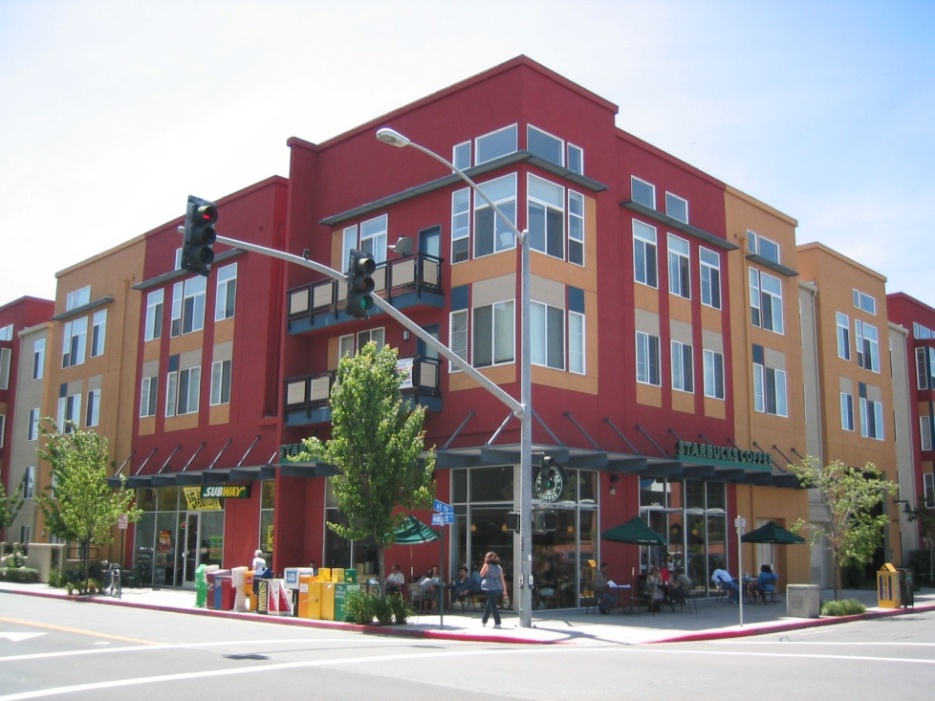
- Majority of participants seem to be comfortable with 2-3 story
buildings
- Some Locations – Fontana/Mansfield Park, First Avenue and Campbell
Avenue
- Approximately half supported 3-4 story building heights at these
locations
|
|
8
|
- Overall
- Recognition that buildings can provide effective buffer
- Central Segment - “Preserving Neighborhoods”
- No. 1 priority for use of excess right-of-way in
- Buildings or open space
- Both within the right-of-way and in excess acquired land
|
|
9
|
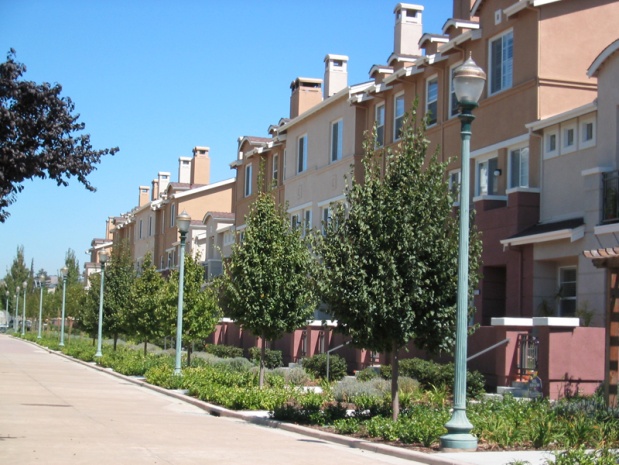
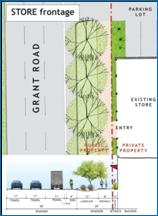
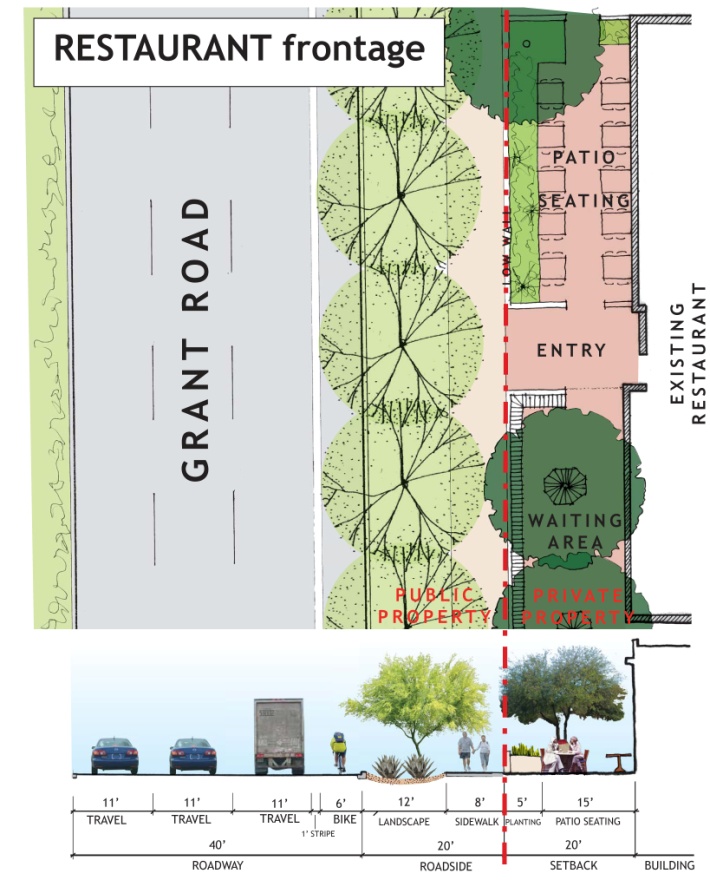
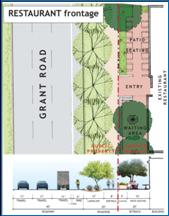
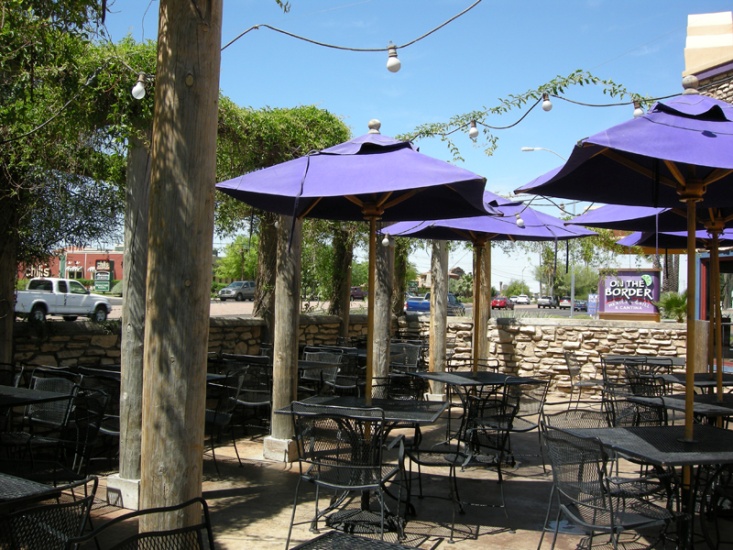
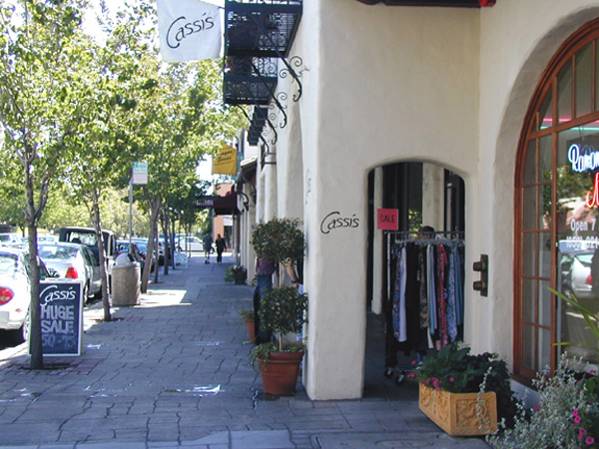
- Over half of participants supported new pedestrian environment shown in
“Preserving Businesses” concepts
|
|
10
|
|
|
11
|
- Input
- Public perspectives (neighborhoods
- & businesses)
- Constituent perspectives
- Personal perspectives
- City guidance
- Character segment workshops
- Best practices, research, & analysis
- Staff recommendation
- City perspectives on recommendation
|
|
12
|
- Evaluation Criteria
- Guiding principles
- Technical assessments by staff
- Endorsement Options
- Endorse staff recommendation
- and move on to the next step
- Endorse a conditional or revised
- recommendation
- Ask for more information
|
|
13
|
|
|
14
|
|
|
15
|
|
|
16
|
|
|
17
|
|
|
18
|
|
|
19
|
|
|
20
|
|
|
21
|
|
|
22
|
|
|
23
|
|
|
24
|
|
|
25
|
|
|
26
|
|
|
27
|
|
|
28
|
|
|
29
|
|
|
30
|
|
|
31
|
|
|
32
|
|
|
33
|
|
|
34
|
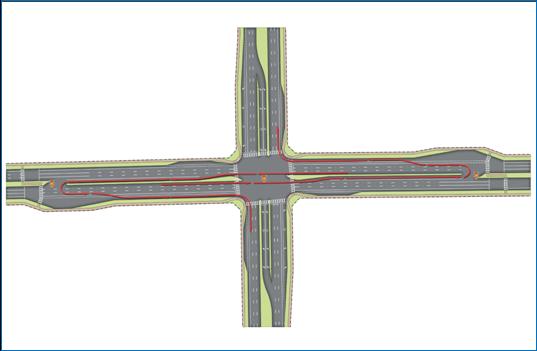
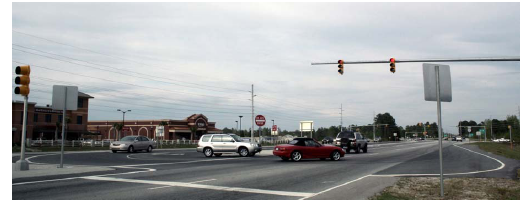
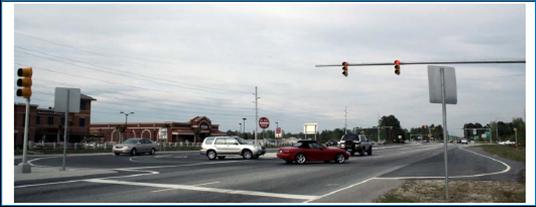
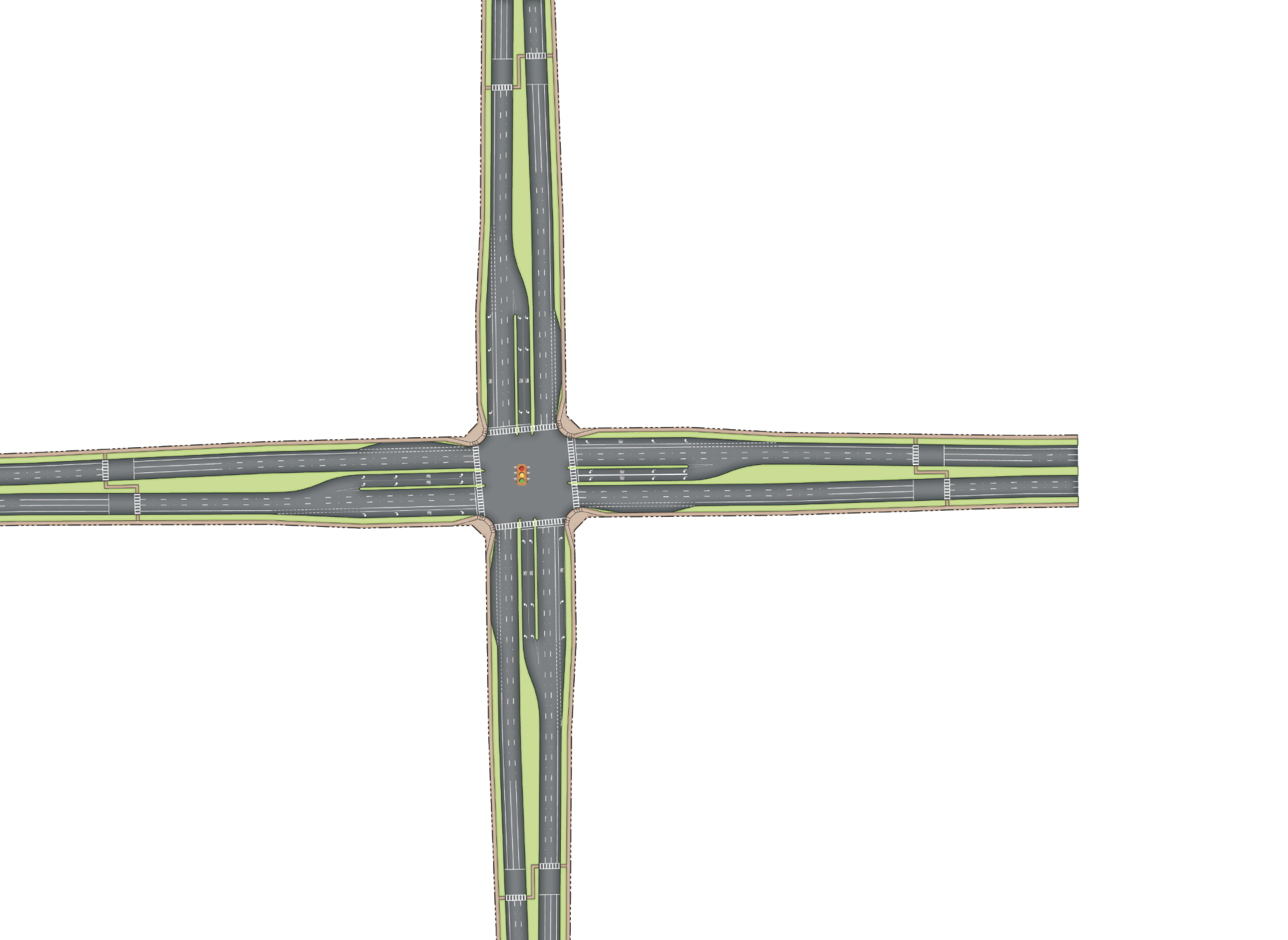
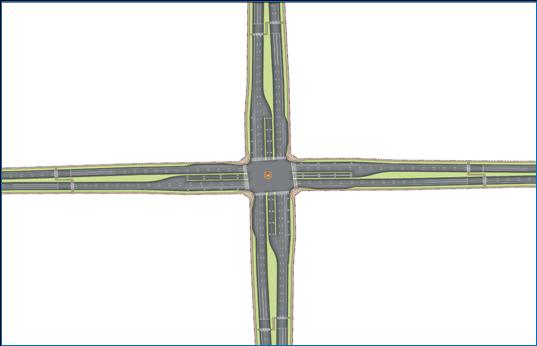
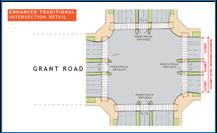
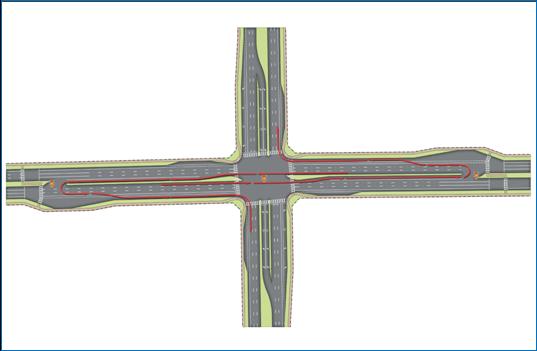
- Initial response divided between enhanced traditional and indirect
left-turn
- Understanding of reduced impact at representative locations led to more
support for indirect left
|
|
35
|
|
|
36
|
|
|
37
|
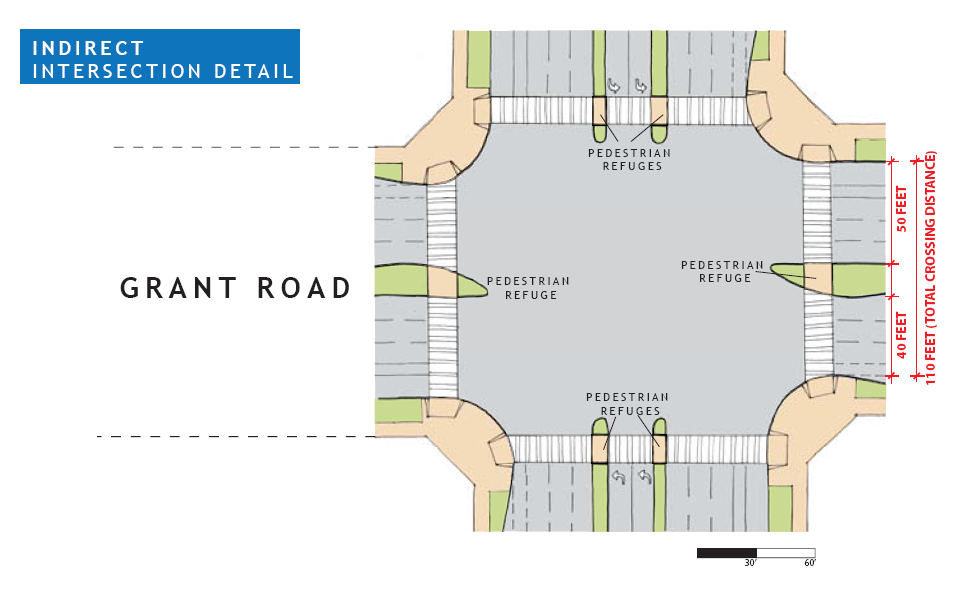
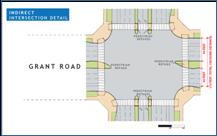
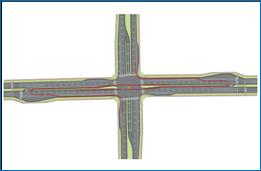
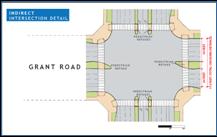
- Eliminating left-turns from the intersection…
- Improves traffic operations
- simpler signal phasing (3-phase)
- increased green time for through vehicles (approx. 8 sec)
- Requires less right-of-way
- Reduces pedestrian crossing distance (from 130 ft to 110 ft)
- Reduces conflicts and improves safety (from 32 conflict points to 24
conflict points)
|
|
38
|
|
|
39
|
- Criteria
- Traditional Left-Turn
|
|
40
|
|
|
41
|
|
|
42
|
|
|
43
|
|
|
44
|
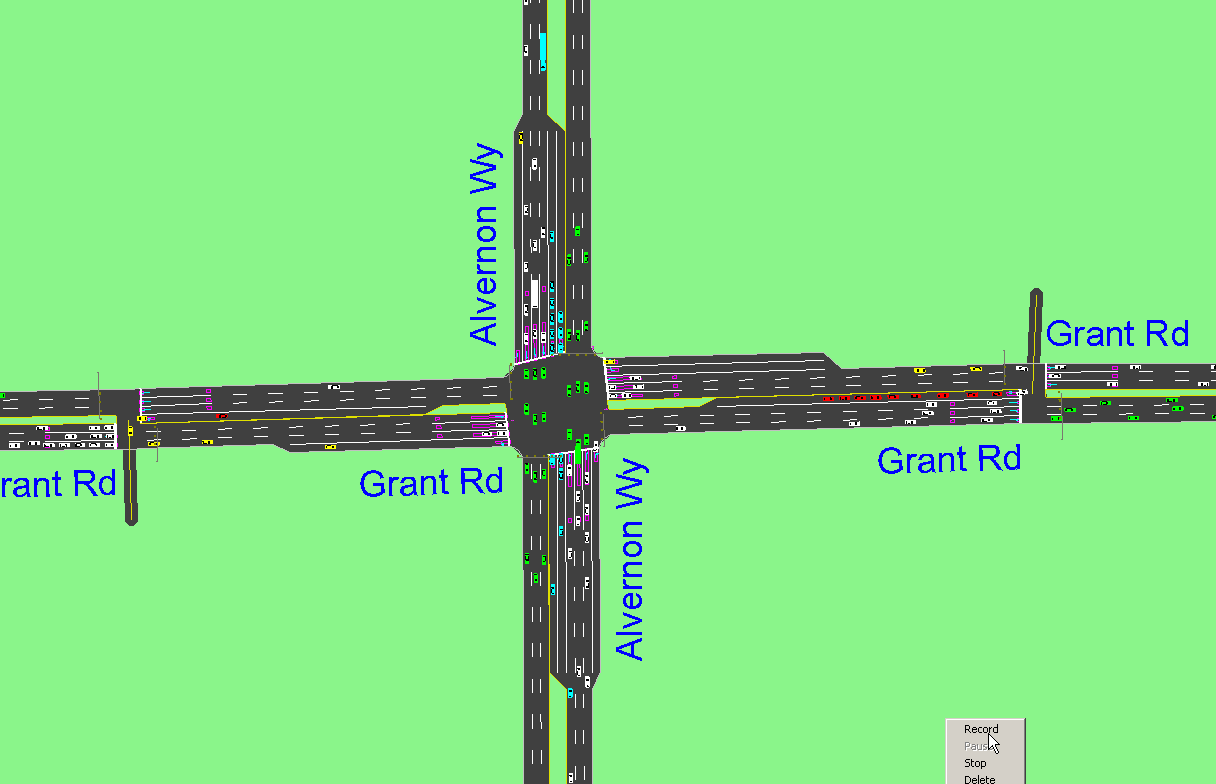
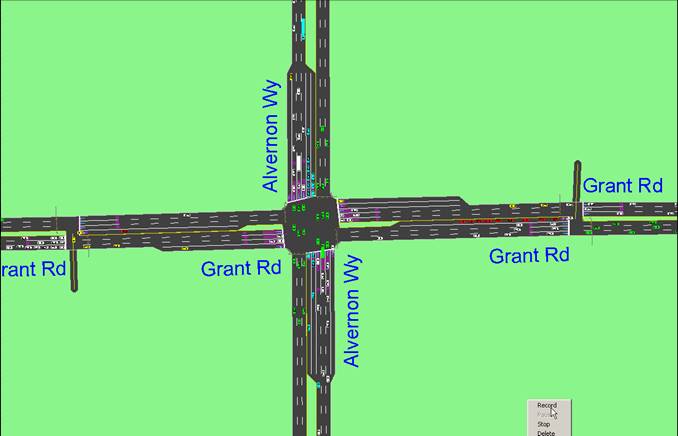
- Indirect-left is not a “fix-all”
- Projected 2030 volumes are 60,000-70,000 vehicles/day
- Individual Intersections
- Major intersections will be congested for 60,000-70,000 vehicles/day
conditions (with traditional & indirect left)
- 50,000-55,000 vehicles/day, indirect will operate at better levels of
service that traditional intersections
- Total Grant Road Delay
- Indirect left has less delay and improved travel time due to more E/W
green time
- Indirect left delay benefits favor Grant Road through motorists
|
|
45
|
|
|
46
|
|
|
47
|
|
|
48
|
|
|
49
|
|
|
50
|
|
|
51
|
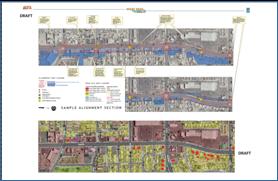
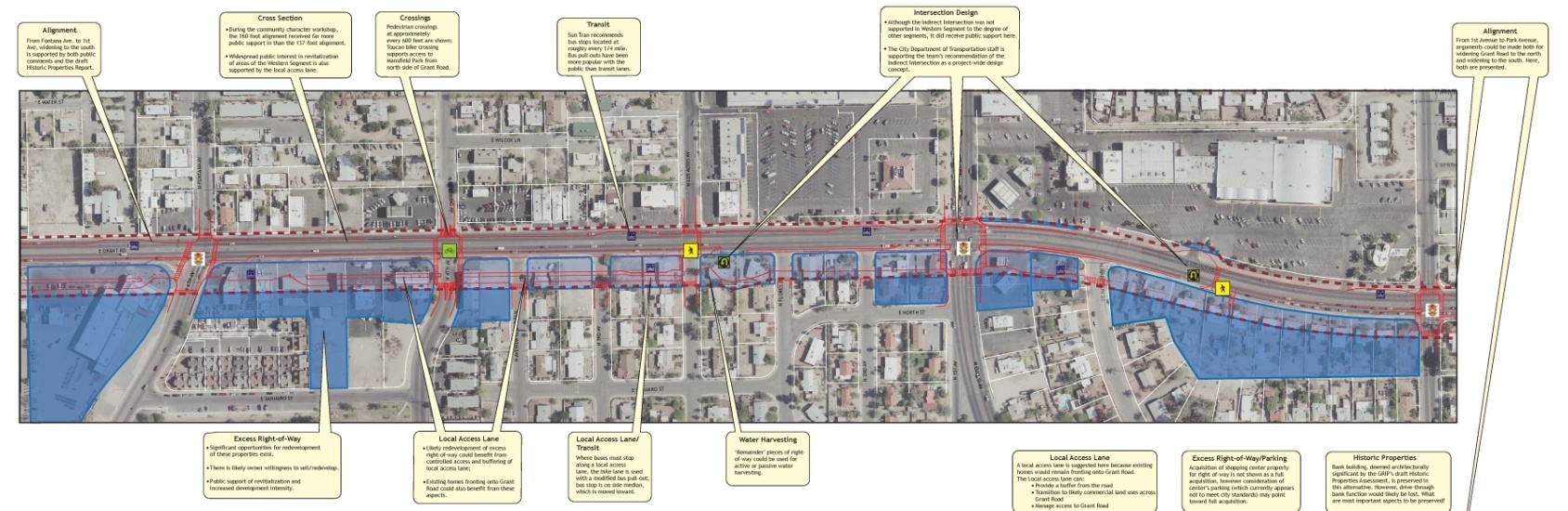
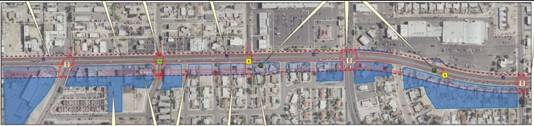
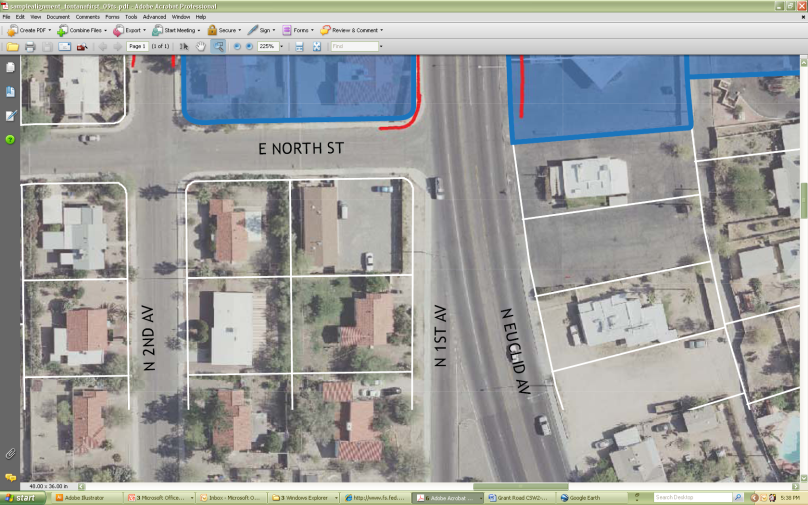
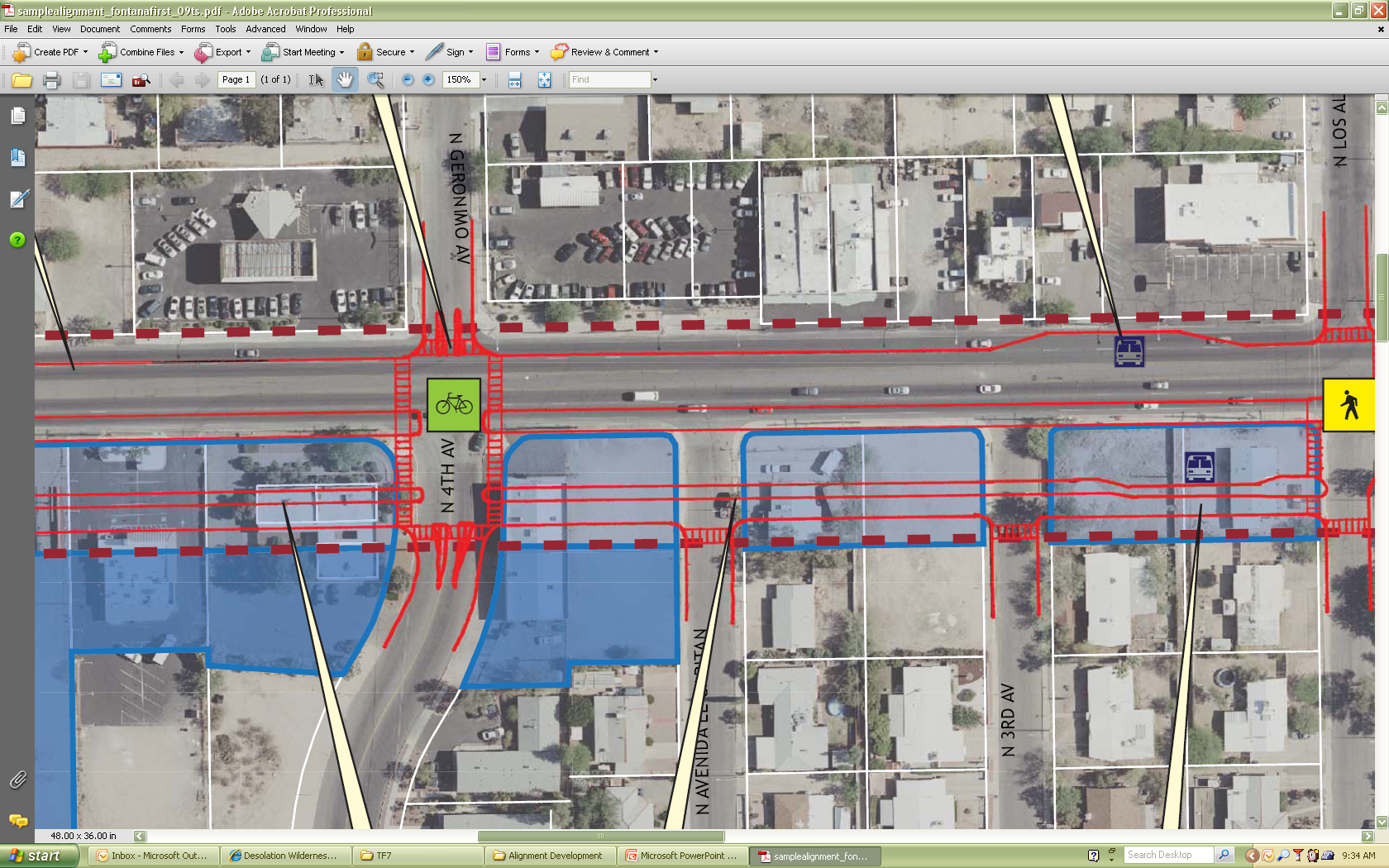
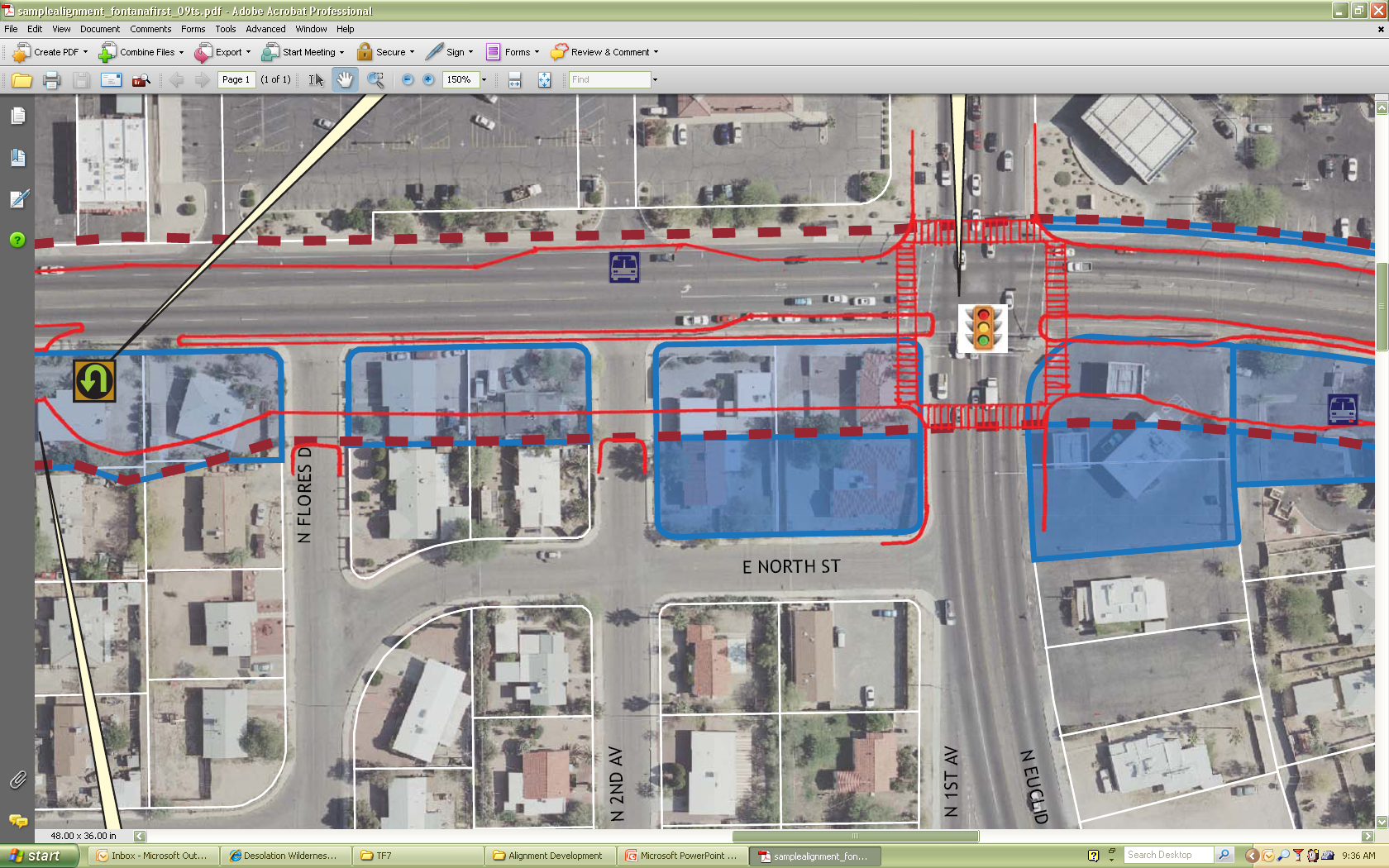
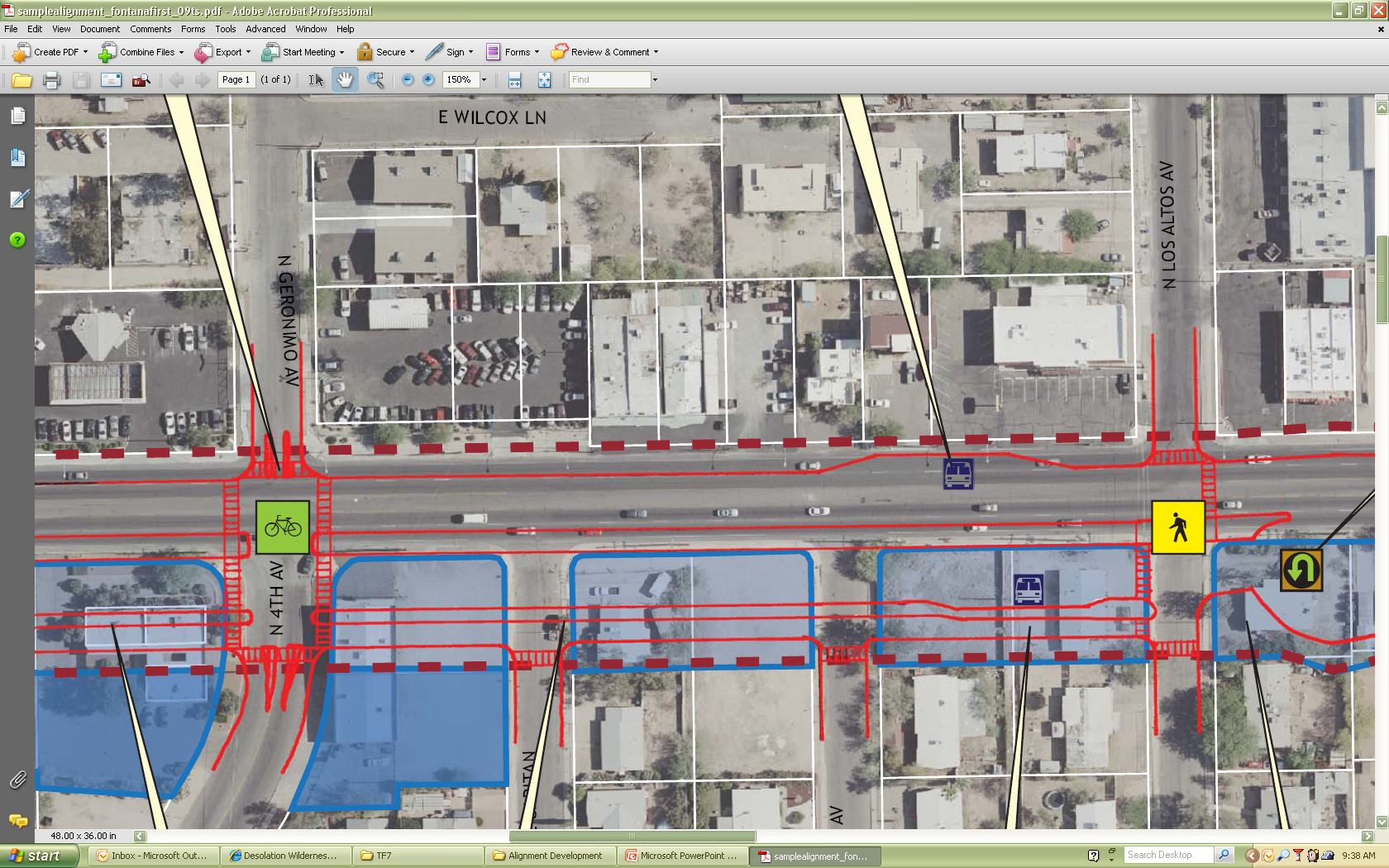
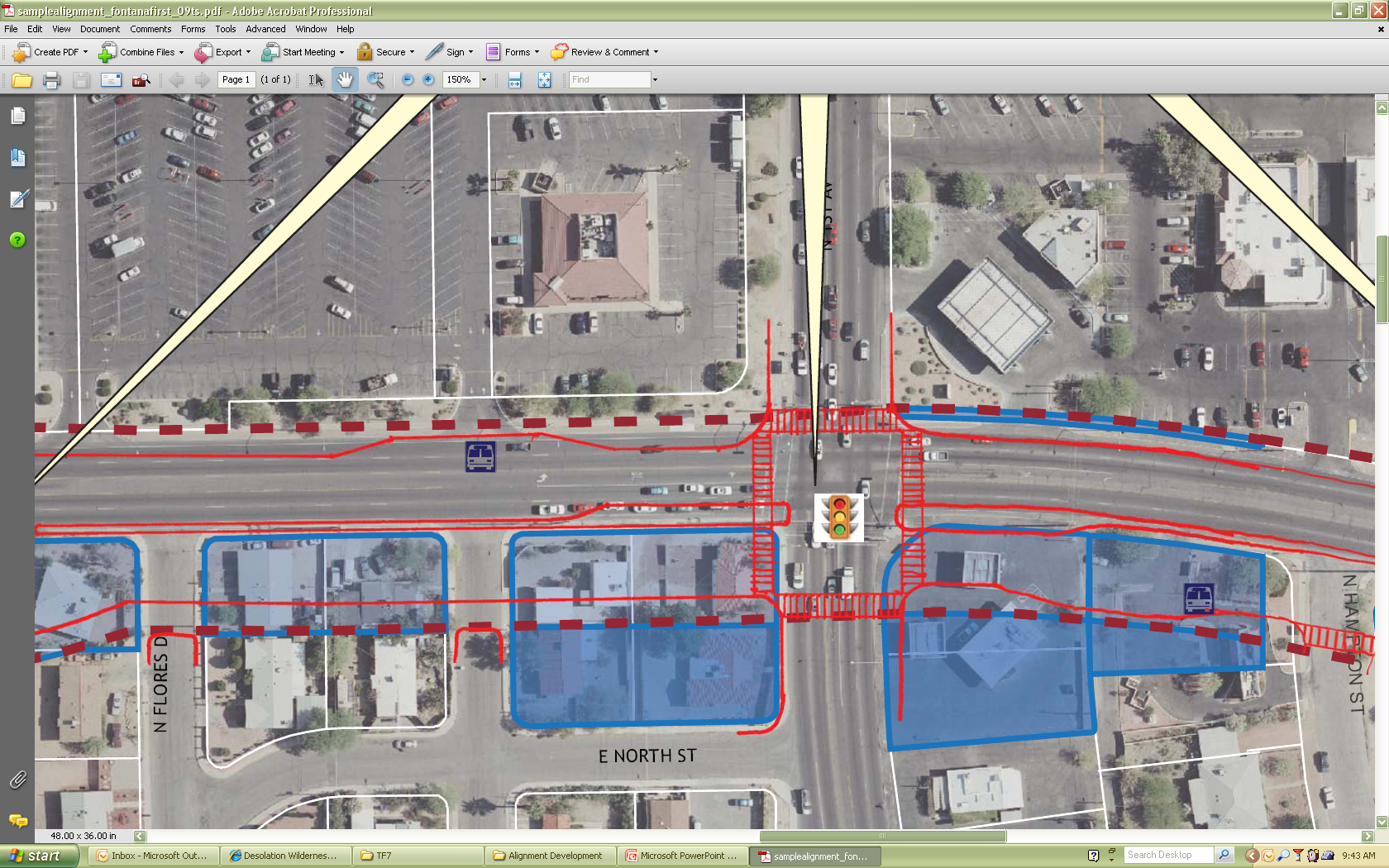
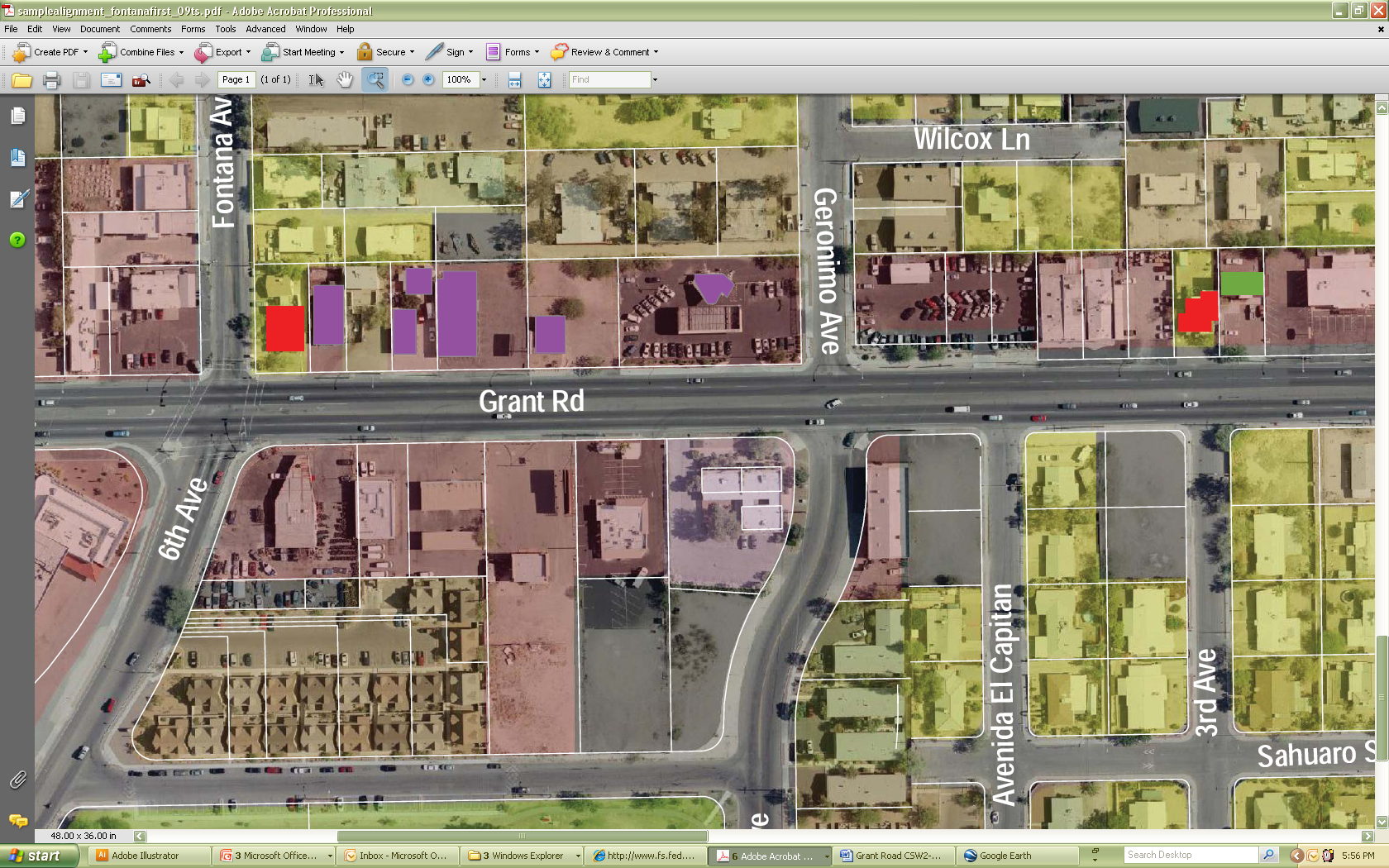
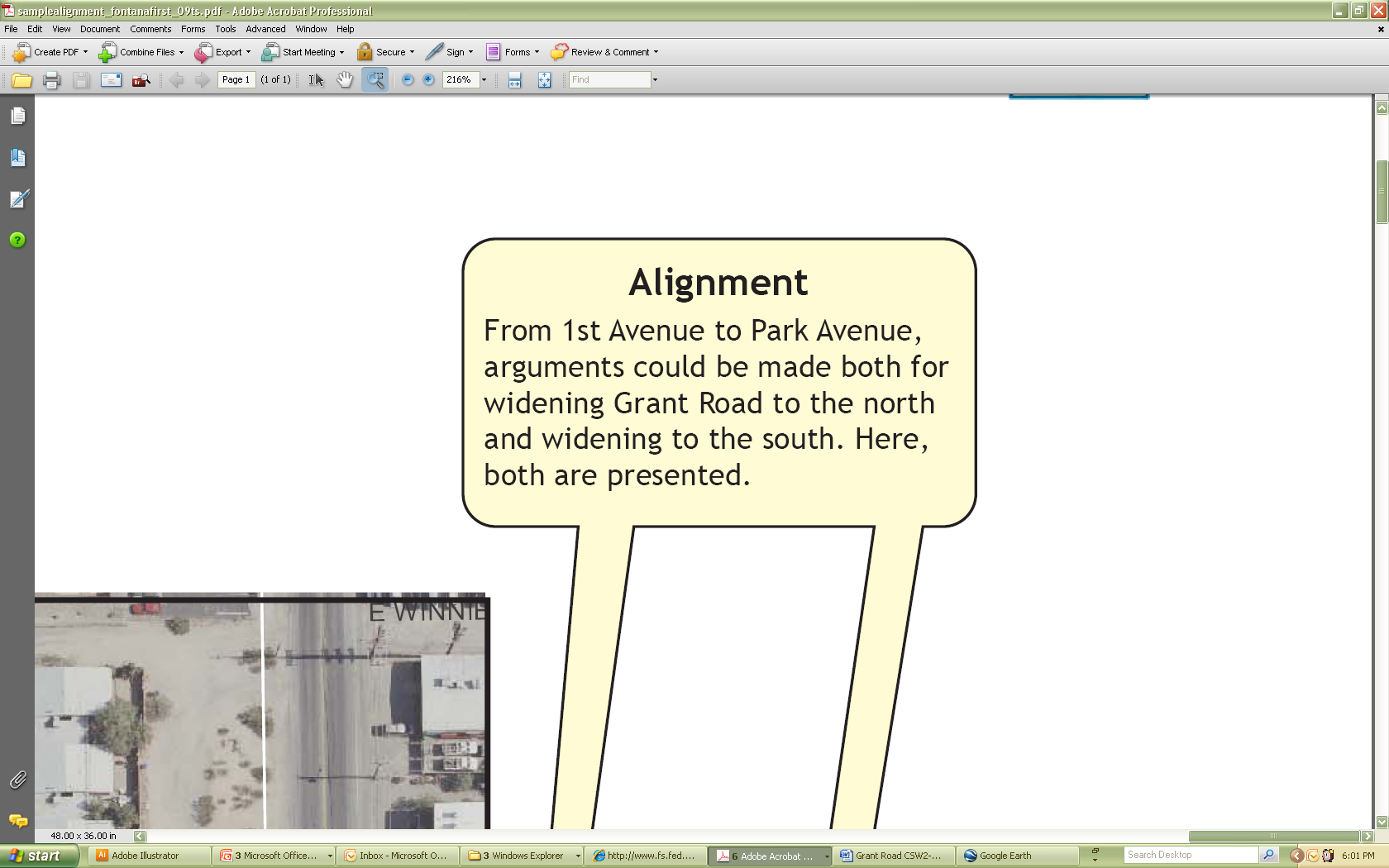
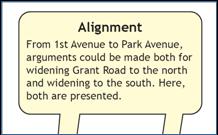
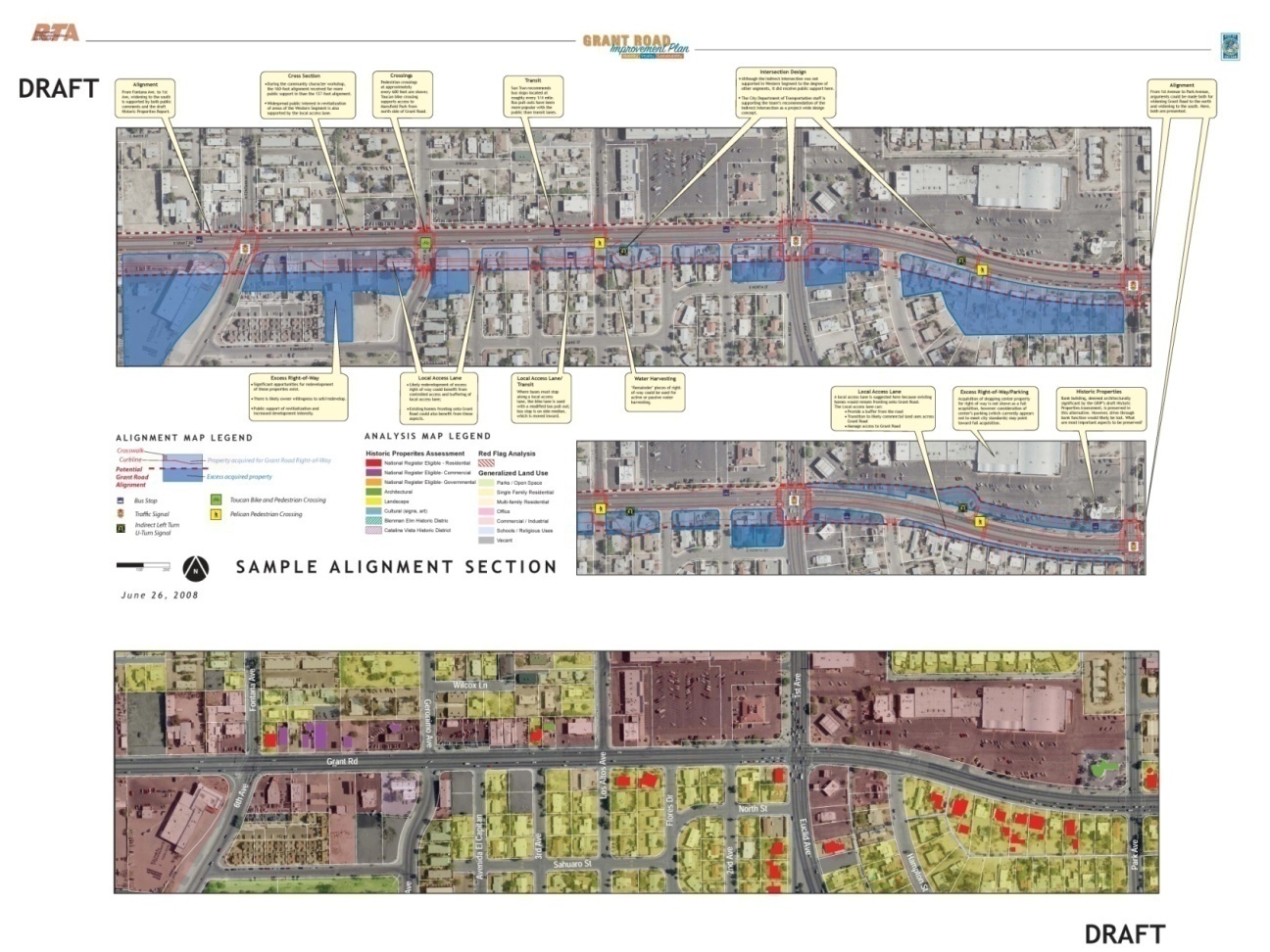
- Propose an alignment concept, and in some places, alternative alignments
- Provide tools for Task Force to move towards a recommended Grant Road
alignment
- Explain project team’s design process
|
|
52
|
- Propose an alignment concept, and in some places, alternative alignments
|
|
53
|
- Provide tools for Task Force to make endorsements on a recommended Grant
Road alignment
- Historic Properties Assessment
- “Red Flag” Properties
- (none here)
- Generalized Current Land Use
|
|
54
|
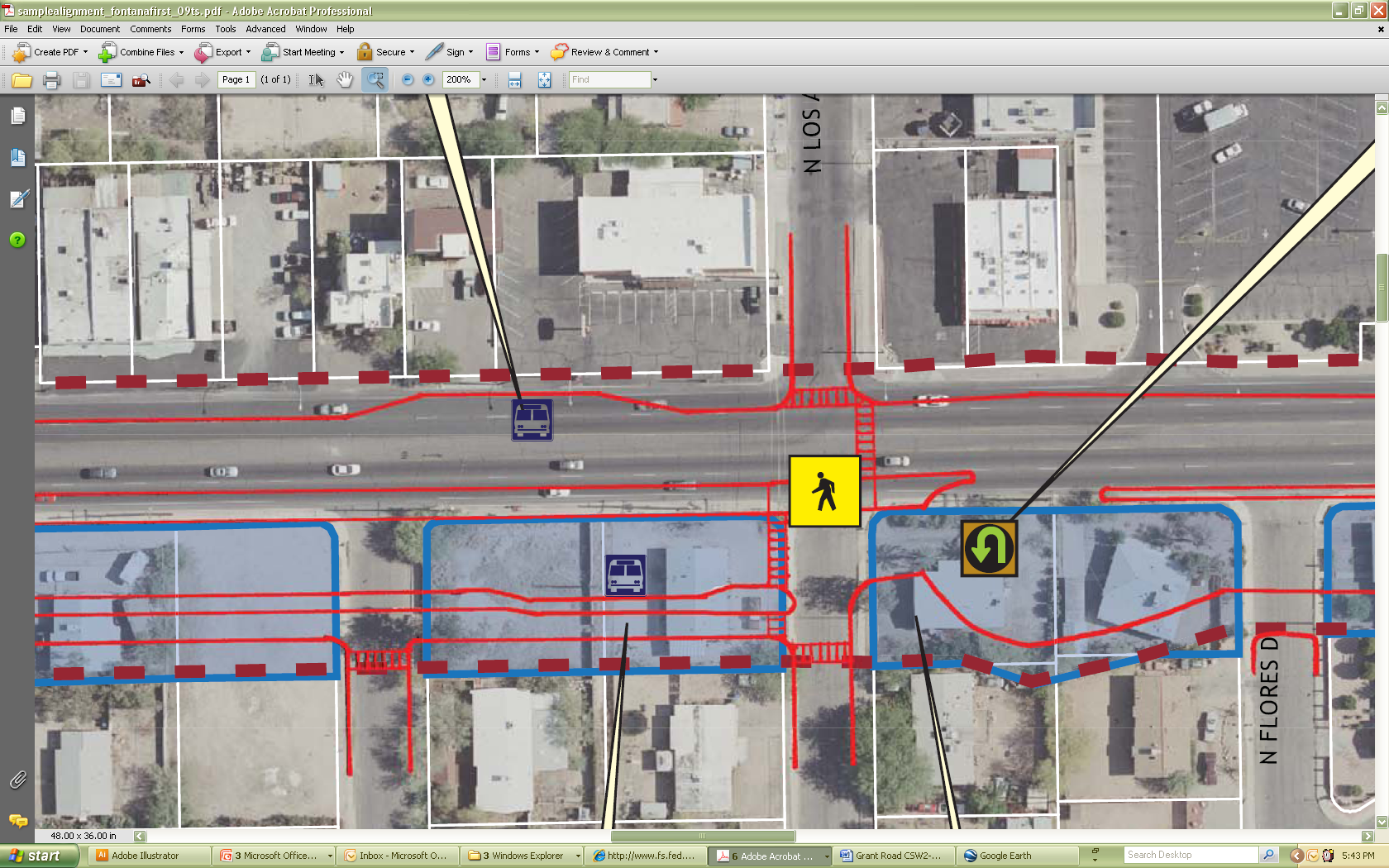
- Explain project team’s design process
- Key design issues
- “Building Blocks” of the alignment
- Link between process to date and
alignment
|
|
55
|
- Will this graphic format and level of information work for the Task
Force to make endorsements at the July 12 workshop? How could it be
improved?
|
|
56
|
|
|
57
|
|

 Notes
Notes